Can You Charge an Electric Car in the Rain?
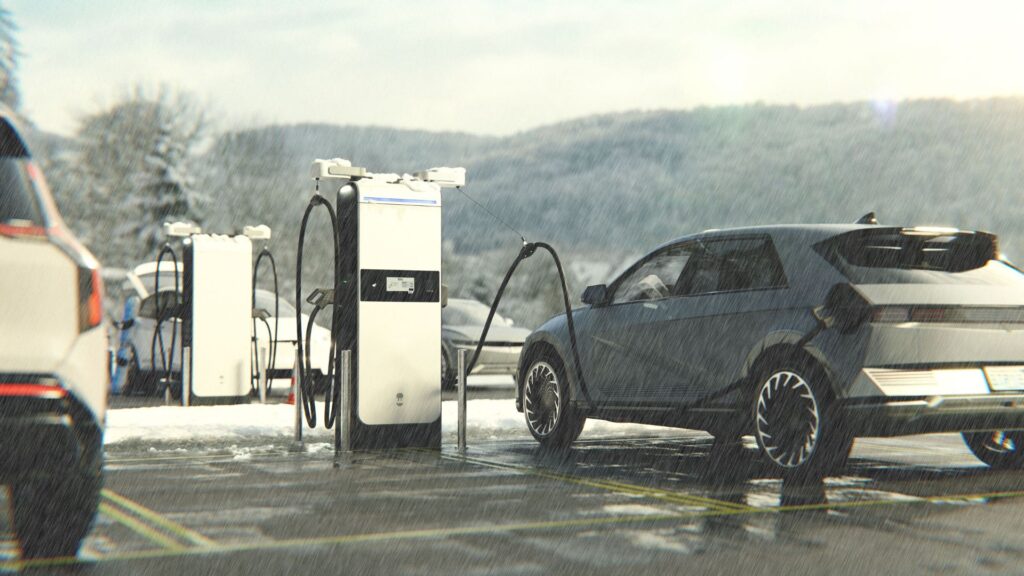
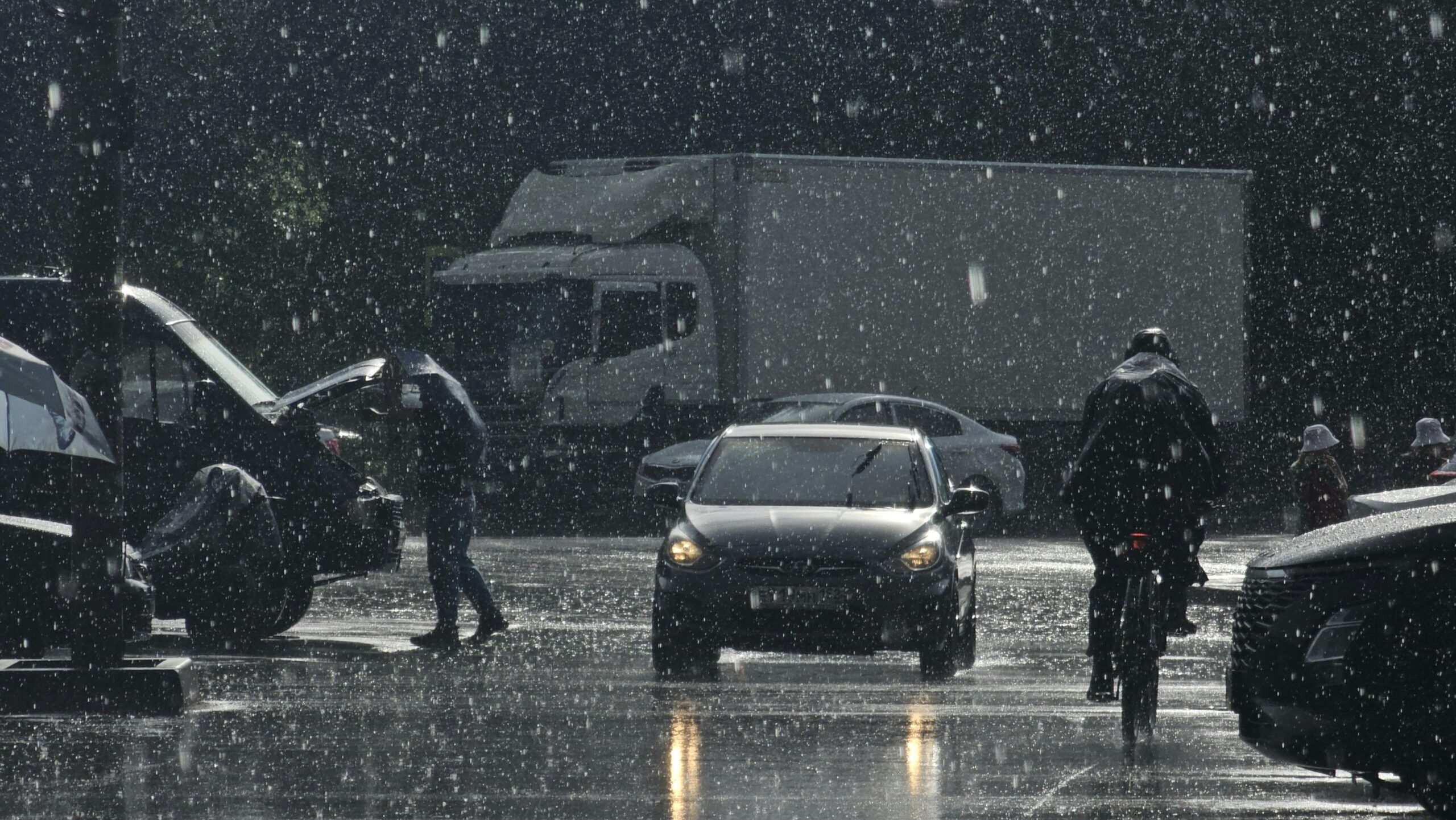
The rainy season is here… and so is one of the most common questions about electric vehicles
With the arrival of the rainy season in Costa Rica, a question comes back around that many people ask themselves when they see an electric vehicle plugged in during a downpour:
Is it really safe to charge it like that?
The concern makes sense, especially in a country where a large share of the charging points are located in:
- open-air parking lots
- shopping malls
- outdoor charging stations
- uncovered spaces
And where the rains can be heavy for several months of the year.
The short answer, though, is yes: electric vehicles and chargers are designed precisely to operate in these kinds of conditions.
Chargers are built for the outdoors
Modern charging systems meet safety standards designed to withstand exposure to water, humidity, and rain.
Both the connectors and the charging ports are sealed and insulated to prevent electrical hazards during the charging process.
What's more, the system doesn't constantly send power through the cable the way many people imagine. Before charging begins:
- the vehicle and the charger communicate
- they verify safety conditions
- and only then does power start to flow
This significantly reduces any possibility of risk under normal use.
So there's no problem if it's raining?
Under normal conditions, no. Electric vehicles are designed to be used in a range of weather environments, including heavy rain, humidity, and storms.
That's why it's no surprise to see charging stations operating outdoors in countries with far more extreme climates than Costa Rica.
In fact, if charging a vehicle in the rain posed a real danger, it would be virtually impossible to deploy public charging infrastructure across much of the world.
What matters is using equipment in good condition
As with any electrical system, safety also depends on the condition of the equipment.
That's why it's important to:
- use certified chargers
- avoid damaged cables
- check that the connectors are clean
- never handle equipment that's in poor shape
Under the right conditions, charging an electric vehicle in the rain poses no special risk to the user.
A very common fear… but less and less relevant
The pairing of electricity and water triggers a natural reaction of concern, but in practice today's technology is designed precisely to handle these scenarios.
In fact, in countries where electric mobility has been developing for years, this stopped being a significant worry a long time ago.
In Costa Rica, as the number of electric vehicles and charging points grows, seeing chargers running outdoors during the rainy season is becoming routine as well.
Public infrastructure in Costa Rica keeps growing
Another important point is that Costa Rica's public charging network continues to expand.
It's increasingly common to find stations at:
- supermarkets
- shopping malls
- hotels
- restaurants
- public parking lots
- national highways
And many of them operate entirely in the open air.
This is part of the natural evolution of electric mobility: making charging an everyday, functional part of the country's infrastructure.