What Maintenance Does an Electric Car Need?
One of the biggest myths about electric vehicles
One of the most common things you hear about electric mobility is: “electric cars don't need maintenance”. But that's not entirely true.
The reality is more interesting: electric vehicles do need maintenance, but the way they work eliminates many of the components that traditionally cause wear, frequent servicing, and extra costs in a combustion vehicle.
In other words: maintenance doesn't disappear; it changes. And that is precisely one of the most important differences.
Why does an electric vehicle need less maintenance?
The explanation starts with something very simple: an electric vehicle has fewer mechanical components.
A combustion car depends on multiple systems working at the same time:
- an engine with hundreds of moving parts
- a transmission
- oil
- an exhaust system
- filters
- belts
- a clutch
- fuel injection
- combustion systems
An electric vehicle eliminates most of these elements.
That is also why it doesn't need:
- oil changes
- tune-ups
- fuel filter replacements
- exhaust system maintenance
- timing belts
- EGR valves
- catalytic converters
Fewer parts also means fewer chances of a breakdown.
So what does get checked on an electric car?
Although maintenance is simpler, there are components that still require inspection and periodic servicing.
Battery
The high-voltage battery is the vehicle's most important component.
While it normally requires no direct maintenance, periodic inspections of its condition and performance are recommended.
A few habits also help extend its service life:
- keeping the charge between 20% and 80% whenever possible
- avoiding leaving the vehicle discharged for long periods
- not constantly overusing fast charging
- avoiding prolonged exposure to extreme temperatures
The battery is not a component that requires constant maintenance, but it does require proper management.
Brakes
Electric vehicles use regenerative braking.
When you lift your foot off the accelerator or hit the brakes, the electric motor acts partly as a generator and recovers energy to send back to the battery.
This has an important consequence:
The pads and other components of the braking system tend to wear out far less.
That said, it doesn't mean inspections go away.
It is still important to check:
- pedal operation
- brake fluid
- overall system wear
Tires
Tires are still one of the most important elements.
As with any vehicle, you need to check:
- pressure
- wear
- cuts or damage
- periodic rotation
Depending on use, they normally need to be replaced after a certain mileage.
Fluids
Although electric cars eliminate several traditional fluids, some are still present:
- coolant for the thermal system
- brake fluid
- windshield washer fluid
These should be checked according to the manufacturer's guidelines.
Cabin filter
The cabin filter remains important for maintaining air quality inside the vehicle.
It is generally recommended to replace it roughly every two years or based on mileage.
Wiper blades and conventional parts
Some components still work exactly the same way:
- windshield wiper blades
- suspension
- shock absorbers
- steering
- the 12-volt auxiliary battery
These parts follow much the same logic as on any other vehicle.
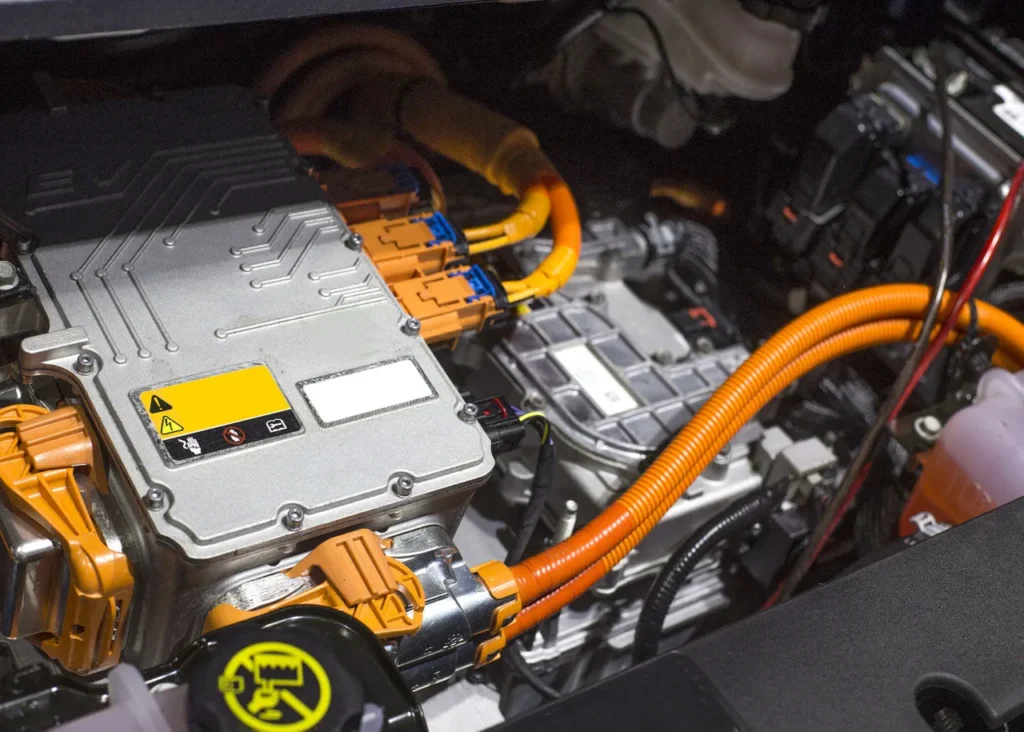
Electric technology also requires specialized inspections
Beyond the physical components, periodic servicing includes specific inspections:
- electrical connections
- wiring
- insulation systems
- power electronics
- electric motor
- overall battery condition
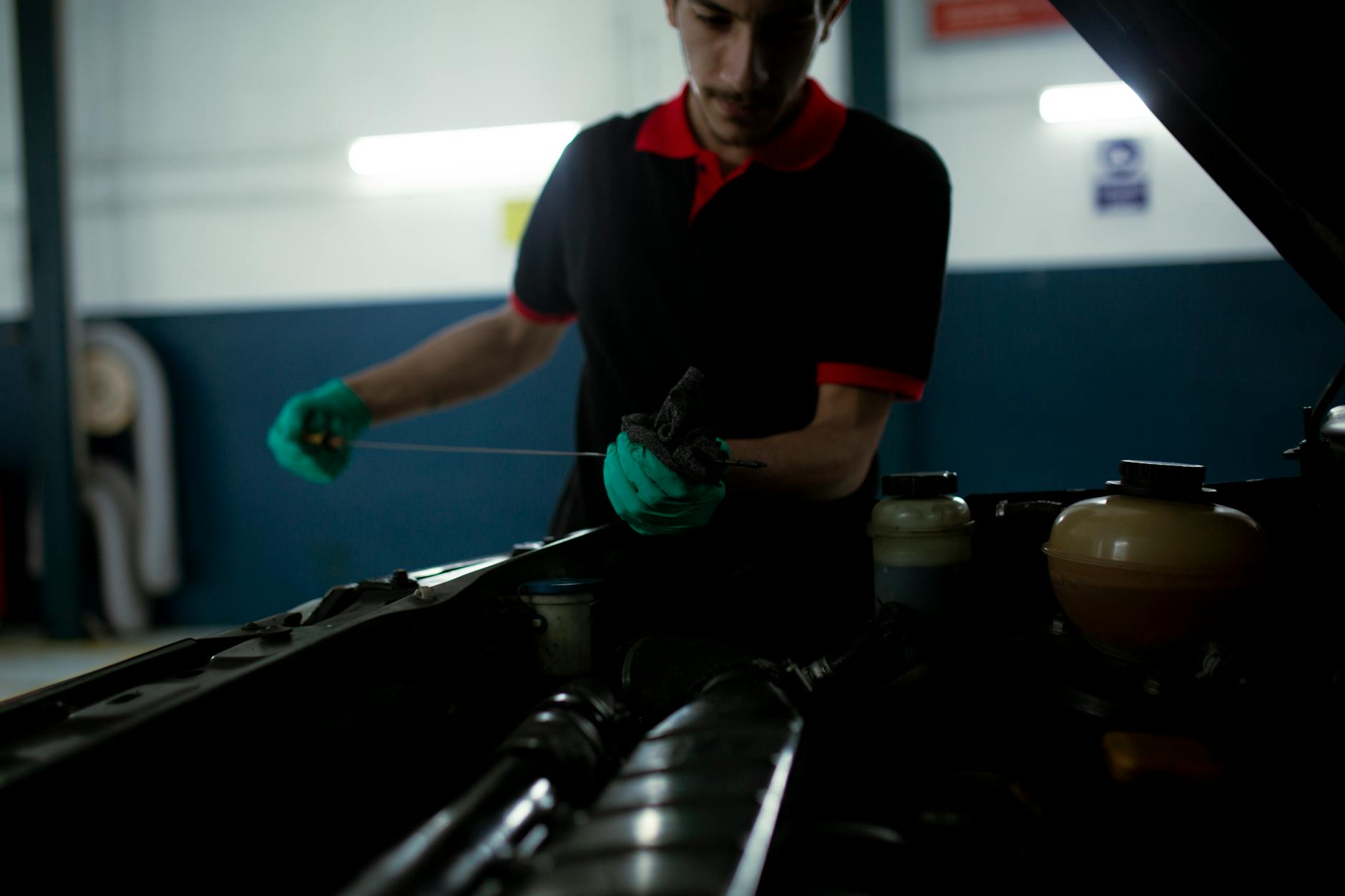
That is why it is important to have maintenance done at shops with staff trained in electric mobility.
Simpler doesn't mean nonexistent
Electric mobility does not eliminate servicing or vehicle care, but it does simplify much of the process.
By eliminating traditional components such as oil, exhaust systems, or complex transmissions, maintenance becomes simpler and more predictable.
Rather than disappearing, maintenance evolves toward a less mechanical approach focused more on preventive inspections and specialized servicing.