Italy closes 2025 with a strong electric rebound, but warns of risks to its growth
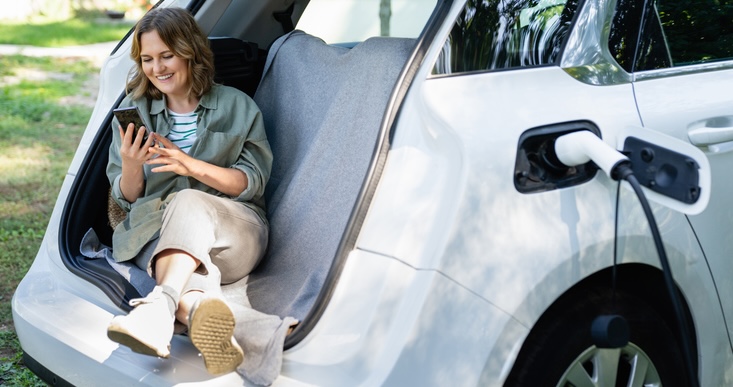
Electric vehicle registrations grew more than 46% in 2025, driven by government incentives and the rise of corporate fleets.
Without fiscal stability and long-term planning, the Italian market could lose momentum against other European countries.
Italy closed out 2025 with a significant recovery in electric vehicle adoption. Registrations of 100% electric cars reached 94.230 units, a 46,1% year-over-year increase that lifted market share to 6,2%, up from the 4% recorded in 2024.
That gain stands in contrast to the overall performance of the Italian auto market, which contracted 2,1% over the same period. The difference shows that even amid a slowdown, electric mobility keeps gaining ground wherever the conditions are right.
By the end of 2025, Italy's electric vehicle fleet on the road topped 365.000 vehicles, a figure that confirms steady adoption, though it still trails other, more established European markets.
Incentives: an effective but fragile boost
Growth accelerated sharply in December, when electric vehicle registrations more than doubled compared with the same month a year earlier. The rebound was tied directly to incentive programs launched in October, which unlocked purchases that buyers had put on hold.
While those measures proved effective at stimulating demand, they also exposed a structural weakness: the market's heavy reliance on short-term stimulus.
Italy still lags behind Europe
Despite the rebound, Italy remains behind Europe's leading markets. Over the course of 2025, countries such as the United Kingdom, France and Germany posted far higher electric market shares, along with steadier growth trajectories.
Industry voices insist the challenge is not to produce sales spikes but to build continuity and predictability in order to close the gap with the rest of Europe.
Corporate fleets, the key to the next leap
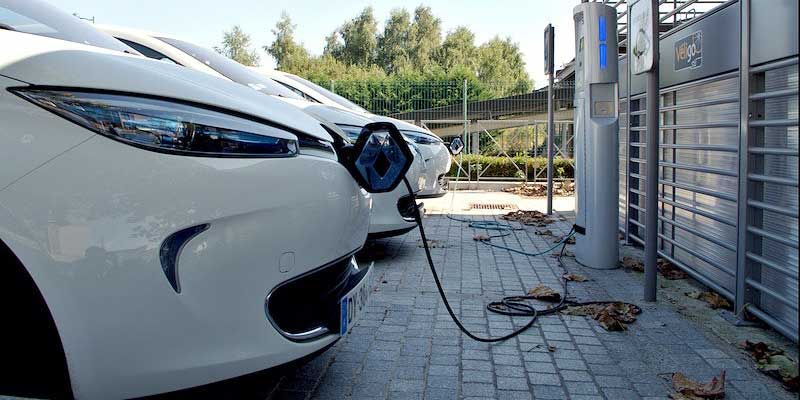
One of the most telling points in the analysis is the role of company fleets as a structural engine of electric growth. They not only stabilize demand, they also feed the used-car market, putting electric vehicles within reach of more people.
According to Fabio Pressi, president of Motus-E, Italy's tax framework for fleets is outdated and does not match current decarbonization goals. A sweeping reform in this area is seen as key to consolidating the market over the long term.
Commercial vehicles: a positive signal
Beyond passenger cars, the electric commercial vehicle segment posted notable growth in 2025, even without incentives of its own. Registrations of both light and heavy units rose significantly, suggesting growing interest in electric solutions across the productive sector.
Takeaway: what can Costa Rica learn from Italy?
Italy's experience offers a lesson that is especially relevant for Costa Rica: the adoption of electric mobility does not hinge on public interest alone, but on the stability of the rules of the game. When there are clear incentives, continuity in public policy and a diverse lineup of models, demand responds quickly.
Costa Rica has historically been one of the region's leaders in electric mobility, but the challenge it faces now mirrors Italy's: moving from an initial push to sustained consolidation. That means not only preserving tax benefits but also strengthening key areas such as the electrification of corporate fleets, the renewal of the vehicle fleet and the development of an accessible used-car market.
The European experience shows that corporate fleets play a strategic role by stabilizing demand and speeding up the circulation of electric vehicles across different price segments. In a country like Costa Rica, where many purchase decisions come down to operating costs and long-term benefits, that approach could be decisive in broadening adoption.
More than copying models from abroad, the lesson is understanding that the electric transition requires long-term vision, regulatory certainty and collaboration between the public and private sectors. When those conditions line up, electric mobility stops being a promise and becomes an everyday reality.
Source: Editorial adaptation based on an article from Mobility Portal Europe, published on 05/01/2025 by Ailén Pedrotti.