BYD overtakes Tesla to become the world's largest seller of electric vehicles
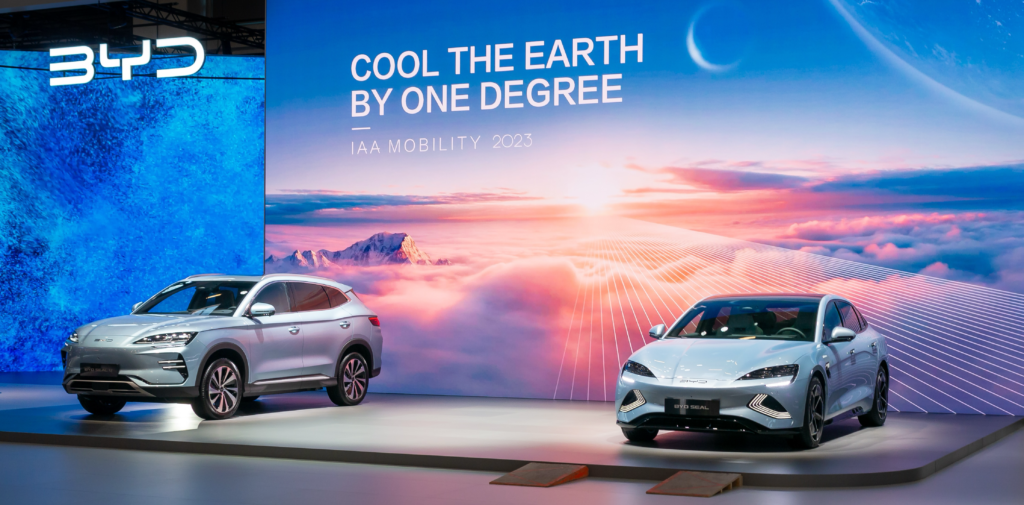
The global electric vehicle market closed out 2025 with a historic change at the top. Chinese automaker BYD overtook Tesla to establish itself as the world's largest seller of electric vehicles, marking a turning point in an industry that until now had been dominated by the American brand.
According to figures reported by both companies, BYD reached sales of nearly 2.26 million electric vehicles in 2025, representing year-over-year growth of almost 28%. By contrast, Tesla reported deliveries of approximately 1.64 million units, reflecting a decline of around 8% compared with 2024 and confirming its second consecutive year of falling sales.
The gap became especially clear in the final quarter of the year. While Tesla posted a drop of more than 15% in deliveries during that period, BYD kept up a solid sales pace that allowed it to close December with figures similar to what Tesla managed across the entire fourth quarter. That performance reinforced the perception that Tesla's leadership in the electric segment is no longer beyond question.
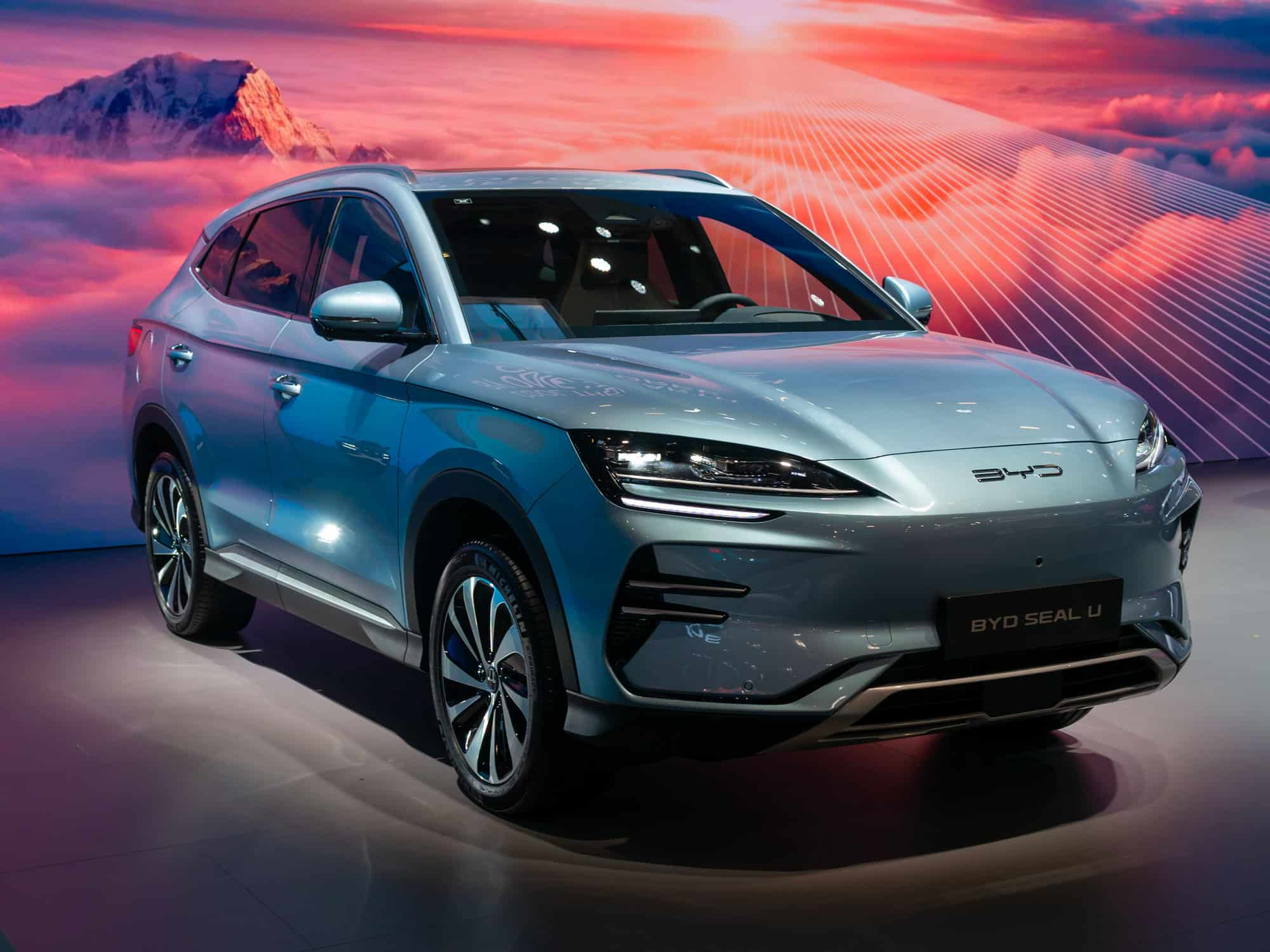
One of the points that has generated the most debate among analysts is the performance of the Model Y, the vehicle Tesla had positioned as the best-selling car in the world. Although the company does not officially break out sales by model, estimates based on production and delivery data suggest the Model Y lost that title in 2025. Industry specialists agree that the current figures cast doubt on whether the model held on to its global dominance against the advance of competitors, especially Chinese ones.
Part of that setback has also been linked to Tesla's strategic focus. During 2025, CEO Elon Musk centered much of his messaging and the company's investment on developing self-driving technology, including robotaxi tests and humanoid robotics projects. While those initiatives are aimed at the long term, some analysts believe they diverted attention and resources from the core electric vehicle business at a moment of increasingly intense competition.
BYD, meanwhile, has continued to bet on an expansion strategy built on volume, model diversification and control of its own battery technology, which has let it scale quickly across different markets. Its growth reflects not only greater production capacity but also a shift in the global balance of the electric auto industry.
This new landscape confirms that the electric mobility market no longer revolves around a single player. Competition is intensifying, leadership is being redefined and technological progress keeps accelerating. For consumers and emerging markets, that context opens the door to a wider variety of options, more competitive prices and ever-broader adoption of electric vehicles around the world.